React Router Mastery: Navigation Hacks & Tricks for Seamless Web Apps
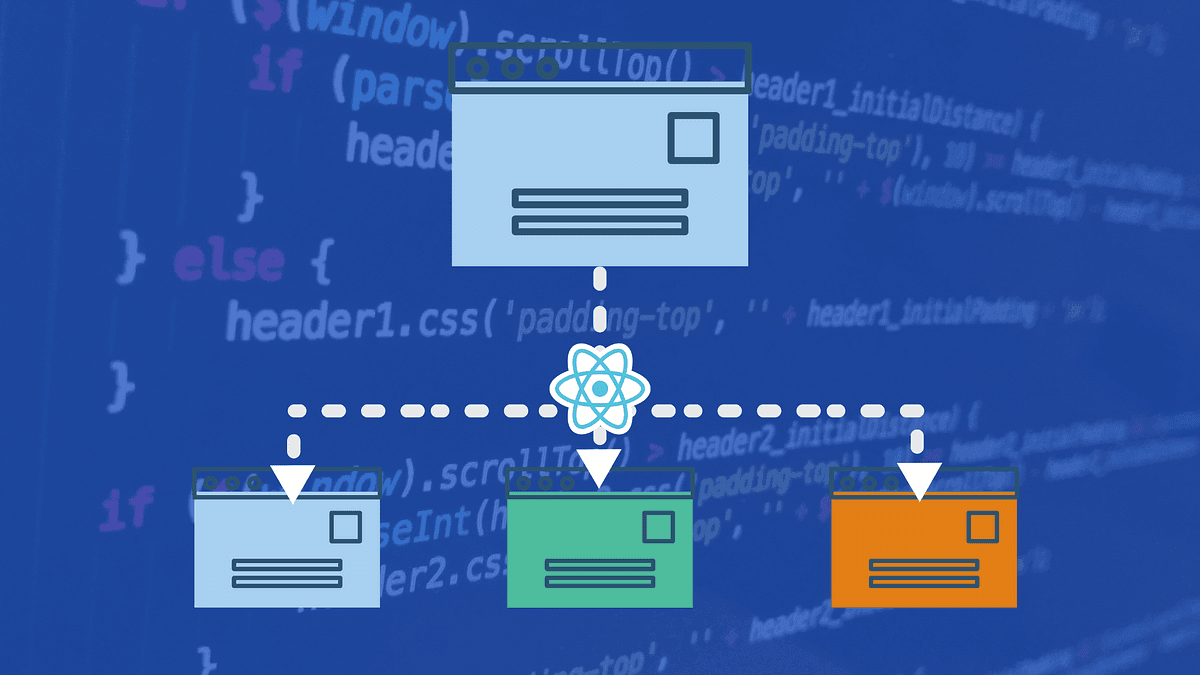
React Router Mastery: Navigation Hacks & Tricks for Seamless Web Apps
Seamless navigation is crucial for modern web applications. React Router simplifies this, providing a robust solution for managing routes in your React apps. Let's explore key concepts and advanced techniques to elevate your routing skills.
What is React Router?
React Router is a powerful library that allows navigation between different components or views in your React application. It synchronizes your UI with the URL, creating a more dynamic and user-friendly experience.
Key Features of React Router:
- Dynamic Routing: Create routes based on user interactions.
- Declarative Routing: Define routes directly within your component tree.
- Nested Routing: Manage complex views with nested route structures.
- Lazy Loading: Improve performance by loading components only when necessary.
Core Concepts:
Router Components
React Router offers various routers for different environments:
- BrowserRouter: Uses the HTML5 history API for clean URLs. This is the preferred choice for most modern web applications.
- HashRouter: Uses the URL hash (#) for routing, useful when HTML5 history is unavailable.
(Note: The original article contained an image illustrating routing concepts, which would be included here if available in the JSON.)
This summary provides a foundation for understanding and implementing React Router in your projects. Further exploration of the library's documentation and advanced features will enhance your skills and create more sophisticated user experiences.
- #reactrouter
- #routing
- #reactjs
- #navigation
- #webapps
Comments · 0